
Gum Disease Treatment in Hutto, TX
Bleeding gums can be a sign of gum disease, which can damage the tissues supporting your teeth. We check your gums and explain whether you need a professional cleaning, a deep cleaning, or other treatment.
Questions? (512) 806-7740 Call Text
Clinically reviewed by Han Nguyen, DDS Last reviewed
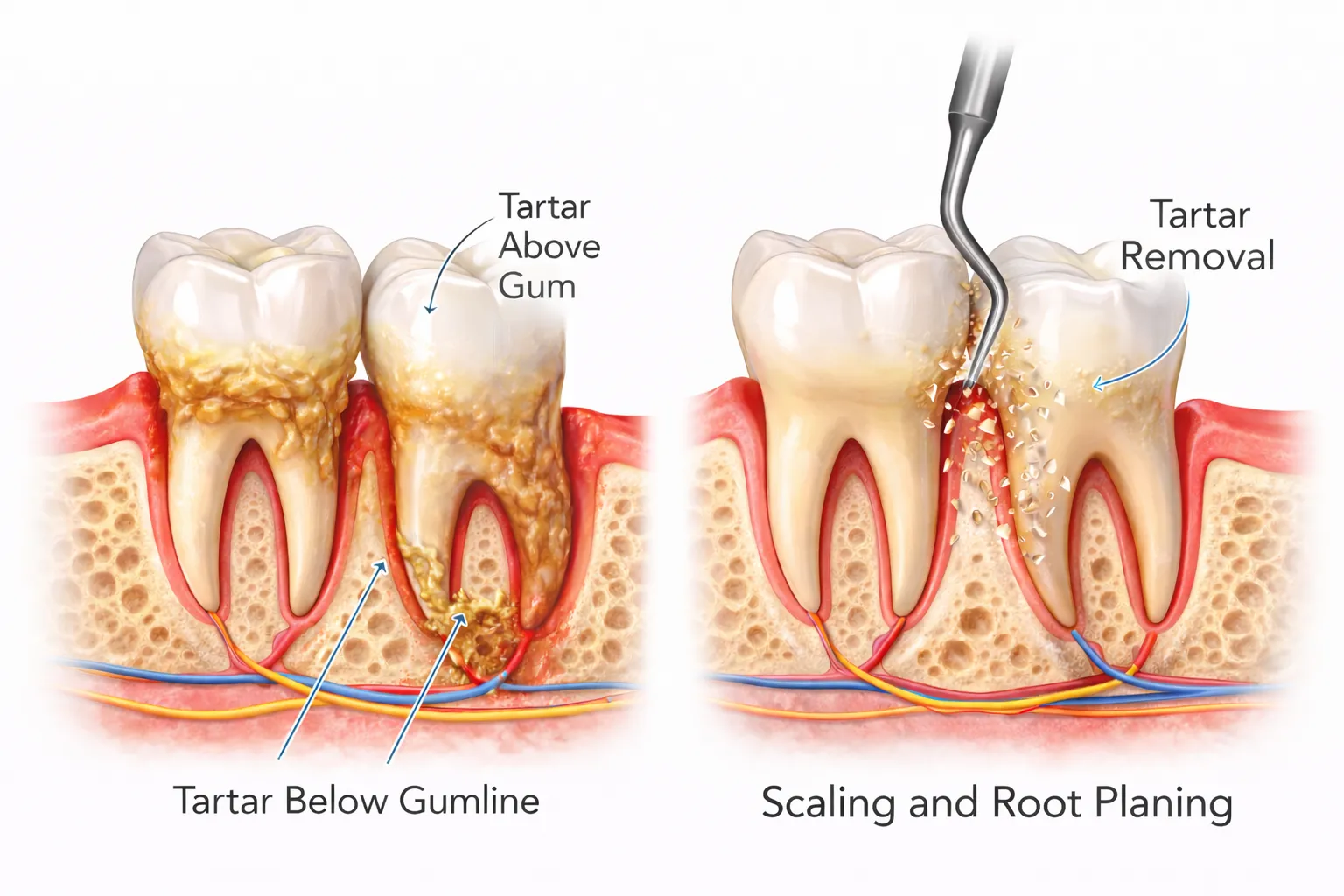
Treat Gum Disease Without Surgery
Gum (periodontal) disease is one of the most common dental problems in adults, and one of the leading causes of tooth loss. The good news is that, when caught early, it can be treated effectively without surgery. At Hutto Hippo Family Dental, Dr. Han Nguyen and our hygiene team offer non-surgical periodontal treatment to restore your gum health, serving patients from Hutto, Taylor, Round Rock, Pflugerville, and Georgetown.
If your gums bleed when you brush, that’s not normal, and it’s worth mentioning to us.
Warning Signs of Gum Disease
- Red, swollen, or tender gums
- Gums that bleed when you brush or floss
- Persistent bad breath
- Receding gums (teeth appear longer)
- Loose or shifting teeth
- Changes in your bite
Understanding Gum Disease
Gum disease progresses in stages:
- Gingivitis – The earliest stage, characterized by red, swollen gums that bleed easily. Gingivitis is reversible with proper treatment and home care.
- Periodontitis – More advanced gum disease where the gums pull away from the teeth, forming pockets where bacteria accumulate. This can damage the bone and tissue supporting your teeth.
- Advanced Periodontitis – The most severe form, where significant bone and tissue loss occurs, potentially leading to tooth loss.
Gingivitis can be reversed. Once periodontitis has caused bone loss, that bone usually doesn’t grow back, but treatment can stop the disease from getting worse. Like diabetes or high blood pressure, it’s something we manage over time.
What Causes Gum Disease?
Gum disease starts with plaque, the sticky film of bacteria that forms on teeth every day. Plaque that isn’t removed hardens into tartar (calculus), which you can’t brush off at home. Bacteria in plaque and tartar irritate the gums, and over time the infection can move below the gum line.
Some things make gum disease more likely or harder to control:
- Smoking or vaping
- Diabetes
- Pregnancy and other hormonal changes
- Some medications that cause dry mouth
- A family history of gum disease
- Crowded teeth or old fillings that are hard to clean around
- Skipping regular cleanings
Non-Surgical Treatment Options
Scaling and Root Planing (Deep Cleaning)
Scaling and root planing is the gold standard for treating early to moderate periodontal disease. During this procedure, we:
- Remove tartar and plaque from above and below the gum line (scaling)
- Smooth the root surfaces to help the gums reattach to the teeth (root planing)
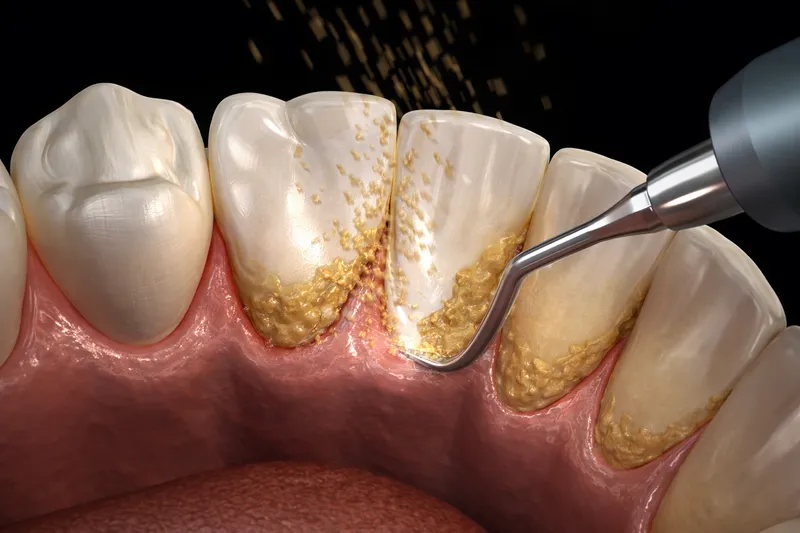
What a Deep Cleaning Feels Like
We numb the area first, so most patients feel only pressure and vibration. Treatment is usually done in sections, often one side of the mouth per visit, so you’re not numb all over. Afterward your gums may be tender and your teeth a little sensitive to cold for a few days. Over-the-counter pain relievers and warm salt-water rinses usually help. As the gums heal, they often bleed less and feel firmer.
Regular Cleaning or Deep Cleaning?
| Feature | Regular cleaning | Deep cleaning (scaling and root planing) |
|---|---|---|
| For | Healthy gums | Gum disease with pockets |
| Cleans | Above and just at the gum line | Down into the pockets below the gum line |
| Numbing | Usually not needed | Usually yes |
| Visits | One | Often two, one section at a time |
| Afterward | Routine checkups | Periodontal maintenance every 3–4 months |
If we recommend a deep cleaning, it’s because the pocket measurements and X-rays show that a regular cleaning can’t reach the bacteria under your gums. We’ll show you the measurements so you can see why.
How Gum Disease Affects Your Overall Health
Research has linked gum disease with several health conditions, including:
- Heart disease — Bacteria from infected gums can enter the bloodstream, and gum disease is associated with inflammation elsewhere in the body
- Diabetes — Gum disease makes blood sugar harder to control, and diabetes makes gum disease harder to treat
- Respiratory infections — Inhaling oral bacteria can worsen lung conditions
- Pregnancy complications — Untreated periodontal disease has been linked to premature birth and low birth weight
Treating gum disease is not just about your teeth — it’s about your whole-body health.
What to Expect at a Periodontal Appointment
During your evaluation we will:
- Measure the depth of the pockets between your teeth and gums
- Take X-rays to evaluate bone levels
- Review your medical history and medications
- Develop a personalized treatment plan
For most patients with early-to-moderate gum disease, scaling and root planing over one to two appointments is highly effective. We will schedule a follow-up visit 4–6 weeks later to evaluate your response to treatment. If your gum disease is advanced, we’ll talk through all your options, including seeing a gum specialist (periodontist) if needed.
Maintaining Gum Health After Treatment
Periodontal maintenance visits (typically every 3–4 months) are essential after gum disease treatment. Regular maintenance:
- Prevents disease from progressing
- Allows us to monitor pocket depths and bone levels
- Removes tartar that builds up faster in susceptible patients
Good daily habits at home matter equally. Brush for two minutes twice a day, floss daily (or use a water flosser), and use an antimicrobial mouthwash if recommended by our team.
Cost and Insurance
The cost of gum disease treatment depends on how many areas of your mouth need a deep cleaning. Deep cleanings and periodontal maintenance visits are billed differently from a regular cleaning, and many dental plans cover part of the cost.
We accept and file most dental insurance plans. We can’t accept HMO or Medicaid plans, and we’re out-of-network with Delta Dental (you pay at the visit, and Delta usually reimburses you). Before treatment we’ll check your benefits and give you a written estimate. It’s our best estimate of what your plan will pay, not a guarantee. We also offer flexible payment plans and an in-house dental plan. See our insurance and payment FAQs for details.
Frequently Asked Questions About Gum Disease
Is gum disease reversible? Gingivitis — the earliest stage — is fully reversible with professional cleaning and improved home care. More advanced periodontitis cannot be fully reversed, but it can be halted and managed effectively with consistent treatment and maintenance.
How do I know if I have gum disease? Common warning signs include bleeding gums when brushing, persistent bad breath, red or swollen gums, and teeth that feel loose or have shifted. However, gum disease can also be painless in its early stages — which is why regular cleanings and checkups are essential.
Why do my gums bleed when I brush or floss? Bleeding is usually the first sign of gingivitis: inflamed gums reacting to plaque. Keep brushing and flossing gently. Stopping lets plaque build up and makes it worse. If it’s been more than six months since your last cleaning, or bleeding continues after a week or two of good home care, schedule a visit.
Does a deep cleaning hurt? We numb the area before treatment. You may feel pressure, but tell us if anything hurts so we can help. Your gums may be tender for a few days afterward.
Why do I need cleanings every 3–4 months now? After gum disease, bacteria can rebuild in the pockets under your gums within a few months. More frequent periodontal maintenance visits help keep the disease under control and let us catch any changes early.
Can I get gum disease even if I brush every day? Yes. Brushing alone does not remove plaque and tartar from between teeth or below the gum line. Flossing daily and regular professional cleanings are both essential components of prevention.
Related Services
Treating gum disease may open the door to restoring your smile:
- Dental Implants — healthy gums are required before implant placement
- Dental Bridges & Crowns — may be needed after tooth loss from advanced gum disease
- Emergency Dental Care — for dental abscesses or acute gum infections
Don’t wait—gum disease is much easier to treat in its early stages. Contact us today to schedule a periodontal evaluation.
Ready for a healthier smile?
Schedule your appointment today. We accept and file most dental insurance plans and offer flexible payment options. New patients are always welcome!