
Dentures in Hutto, TX
Dentures replace missing teeth with a custom set that helps you eat, speak, and smile with confidence. We make full, partial, and implant-supported dentures, and we adjust or reline dentures that have become loose.
Questions? (512) 806-7740 Call Text
Clinically reviewed by Han Nguyen, DDS Last reviewed
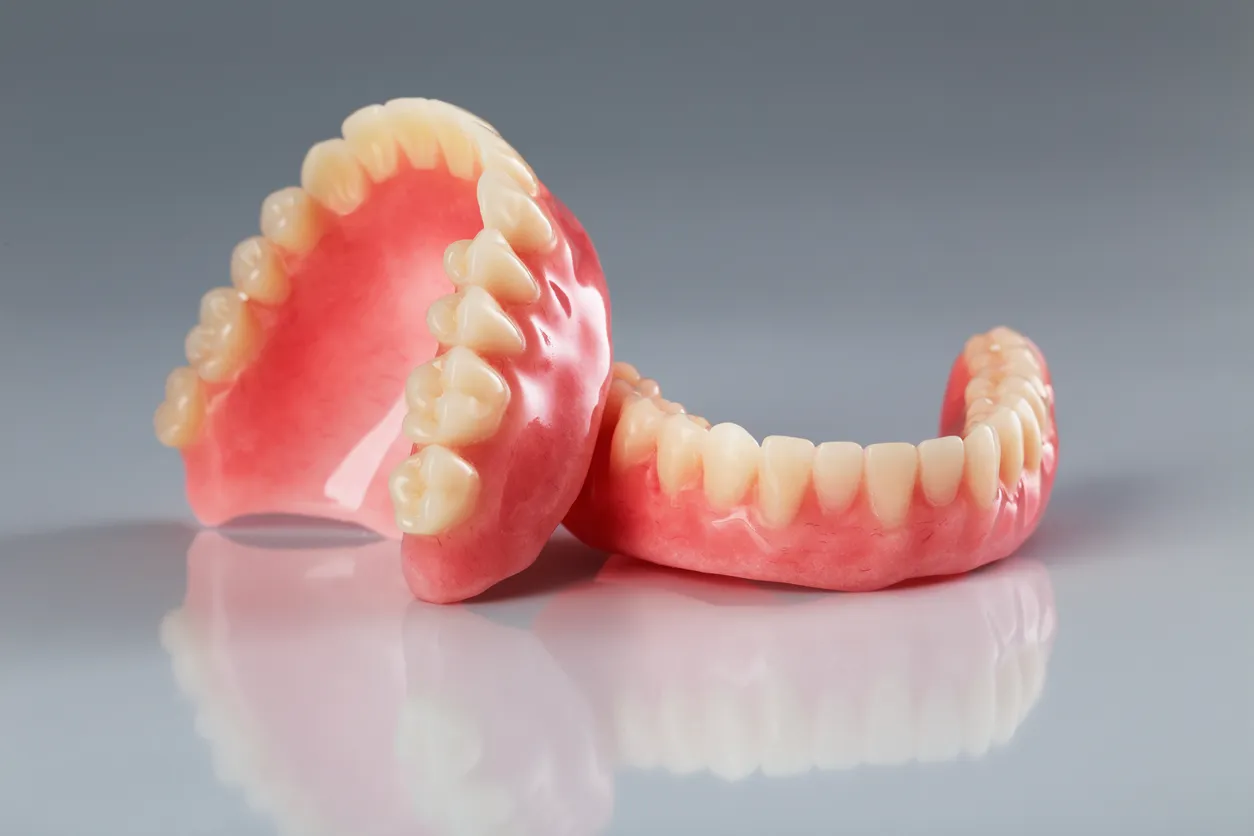
Restore Your Smile with Custom Dentures
If you’ve lost some or all of your teeth, dentures can restore your smile, improve your ability to eat and speak, and give you back your confidence. At Hutto Hippo Family Dental, Dr. Han Nguyen designs custom dentures to fit comfortably and look natural, serving families from Hutto, Taylor, Round Rock, Pflugerville, and Georgetown. We also help people whose current dentures have become loose or sore.
Types of Dentures
Full (Complete) Dentures
Full dentures replace all of your teeth on the upper or lower jaw (or both). They rest on your gums and are held in place by suction and your jaw muscles. Modern dentures look remarkably natural and can be crafted to match the appearance of your original teeth.
Partial Dentures
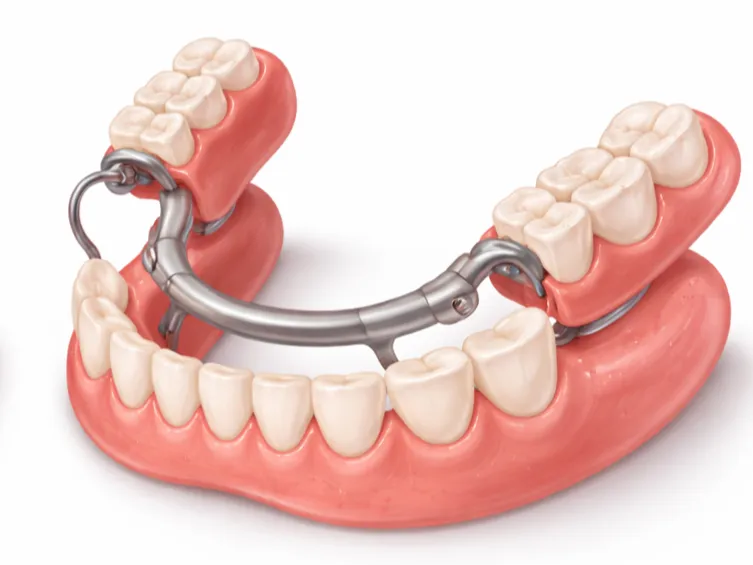
Partial dentures replace one or more missing teeth when you still have some natural teeth remaining. They typically use metal clasps or precision attachments to anchor to your existing teeth.
Implant-Supported Dentures
For patients who want the security of dentures without worrying about slippage, implant-supported dentures attach to dental implants that are placed in the jawbone. This option provides much better stability than a regular denture and helps preserve jawbone density. Most implant-supported dentures are still removable: they snap onto the implants, and you take them out to clean them and the implants. In many cases, an existing denture can be adapted to snap onto implants.
Regular or Implant-Supported Dentures?
| Feature | Regular denture | Implant-supported denture |
|---|---|---|
| Held in place by | Suction, your gums, and sometimes adhesive | Dental implants in the jawbone |
| Stability when eating | Can move, especially the lower denture | Much more stable |
| Jawbone | Bone continues to shrink slowly | Implants help preserve bone |
| Surgery | None | Yes, to place the implants |
| Cost | Lower | Higher |
Lower dentures are often the hardest to keep in place, because there’s less gum surface for suction. Many people who struggle with a loose lower denture find that even a couple of implants makes a big difference. Learn more about dental implants.
Getting Dentures: Step by Step
- Exam and planning — We check your gums, any remaining teeth, and your jawbone, take X-rays, and talk about which type of denture fits your needs and budget.
- Any needed treatment first — Teeth that can’t be saved may need to be removed, and gums need time to heal.
- Impressions and bite records — We record the shape of your mouth and how your jaws meet.
- Try-in — You see and try a wax version with the teeth set in place, so you can check the look and fit before the final denture is made.
- Delivery — We fit your new dentures and make adjustments.
- Follow-up visits — Sore spots are common in the first weeks. Short adjustment visits fix them quickly.
Getting Used to Your Dentures
It takes most people a few weeks to adjust to dentures. During the adjustment period, you may notice:
- Increased saliva flow — your mouth treats the denture as a foreign object at first
- Minor soreness or irritation — especially at pressure points
- Difficulty with certain foods or speech — this improves with practice
We recommend starting with soft foods cut into small pieces and gradually reintroducing harder foods as you become comfortable. Reading aloud or singing can help you adapt your speech more quickly.
Tips for eating with new dentures:
- Chew slowly, using both sides of your mouth at the same time to keep the dentures balanced
- Cut food into small pieces, and bite with your side teeth instead of your front teeth
- Go easy at first on very sticky, very hard, or tough foods like caramel, nuts, and steak
- Don’t put up with a sore spot. Call us for a quick adjustment
What If My Dentures Don’t Fit Well?
Dentures can loosen over time as your jaw changes shape. This is normal — without tooth roots, the jawbone gradually resorbs. If your dentures are slipping, causing sore spots, or making it difficult to eat, don’t wait. Schedule an appointment and we can:
- Reline the denture to restore a better fit by reshaping the base
- Rebase the denture using new denture material if the teeth themselves are still in good condition
- Replace the denture if it is worn beyond adjustment
Most dentures last 5–10 years before replacement is needed. Regular checkups allow us to monitor the fit and condition before problems develop.
Come see us if you notice:
- Clicking or slipping when you talk or eat
- Needing more and more adhesive to keep dentures in
- Sore spots, redness, or cracks at the corners of your mouth
- Chipped, cracked, or worn-down denture teeth
- Changes in how your face or lips look
How to Care for Your Dentures
Well-maintained dentures look better and last longer:
- Remove and rinse after eating to remove food particles
- Brush daily with a soft denture brush and non-abrasive denture cleaner (never regular toothpaste, which is too abrasive)
- Soak overnight in water or an ADA-approved denture solution to prevent warping and maintain shape
- Handle with care — dentures can break if dropped; place a folded towel in the sink when cleaning
- Keep regular appointments so we can check the fit and the health of your gums and remaining teeth
Cost and Insurance
The cost of dentures depends on the type (full, partial, or implant-supported), the materials, and whether you need extractions or other treatment first. Many dental plans cover part of the cost of dentures, and some also cover relines and repairs.
We accept and file most dental insurance plans. We can’t accept HMO or Medicaid plans, and we’re out-of-network with Delta Dental (you pay at the visit, and Delta usually reimburses you). Before treatment we’ll check your benefits and give you a written estimate. It’s our best estimate of what your plan will pay, not a guarantee. We also offer flexible payment plans and an in-house dental plan. See our insurance and payment FAQs for details.
Frequently Asked Questions About Dentures
How long does it take to get dentures? The process typically takes several appointments over 4–6 weeks. We take impressions, have the dentures crafted at a dental lab, and then fit and adjust them to your mouth.
Will dentures affect how I speak? There may be a short adjustment period during which certain sounds feel different. Most patients adapt quickly. Reading aloud at home helps speed up the process.
Should I use denture adhesive? A small amount of adhesive is fine if it makes you feel more secure. But if you need a lot of it to keep your dentures in, that’s usually a sign they need a reline or adjustment.
Is a partial denture better than a bridge? It depends on how many teeth are missing and where. A partial denture can replace several teeth across your mouth and comes out for cleaning. A bridge is fixed in place but needs healthy teeth on both sides of the gap. We’ll help you compare the options.
Can I sleep in my dentures? It is generally recommended to remove dentures at night to give your gum tissues a rest and to soak the dentures in cleansing solution. Sleeping in dentures increases the risk of gum irritation and accelerates bone resorption.
Related Services
Depending on your situation, one of these alternatives may also be appropriate:
- Dental Implants — a fixed, long-term alternative that helps preserve jawbone and eliminates the need for adhesives
- Dental Bridges & Crowns — if you are missing only one or a few teeth
- Emergency Dental Care — for broken or ill-fitting dentures causing pain
Contact us today to learn which denture option is right for you.
Ready for a healthier smile?
Schedule your appointment today. We accept and file most dental insurance plans and offer flexible payment options. New patients are always welcome!